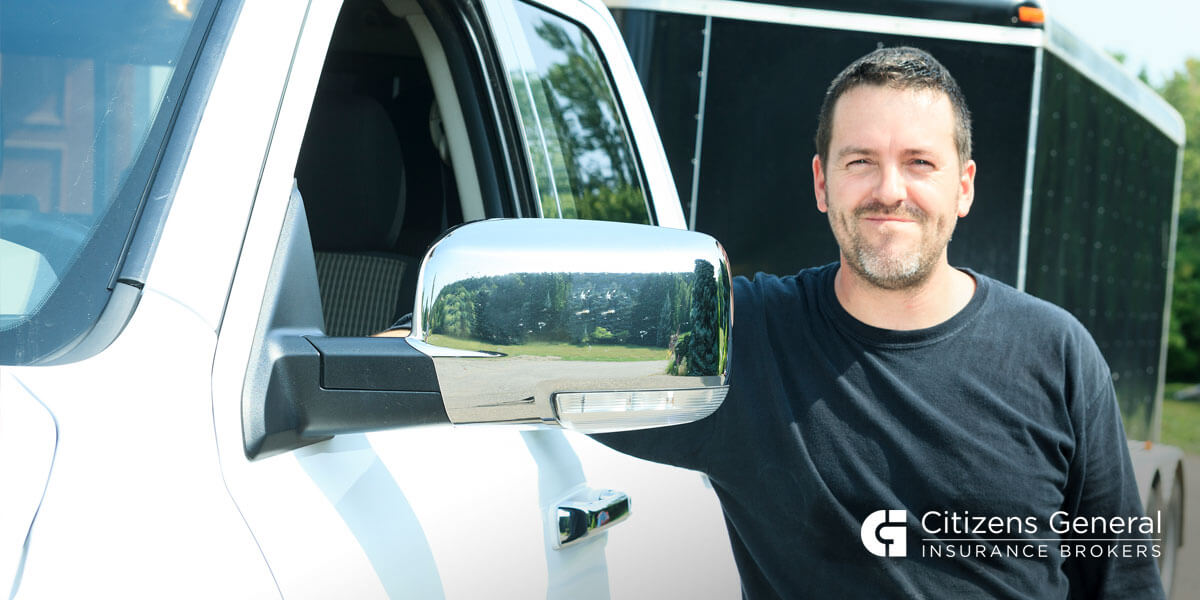
What good would you be without your tools and equipment? Like a dentist, surgeon, or chef, a contractor needs a special set of tools to get a job done.
As a contractor, you probably put a lot of thought into selecting the right tools for the job. But how much thought have you given to protecting your tools, outside of picking out a box for your truck?
Here are 7 hidden dangers that can put your tools at risk, slowing your progress and sinking your profits.
1. Unmarked tools
Marking your tools and equipment with a permanent identification, such as your name, business name, and business phone number, will make it harder for stolen items to be pawned or sold online, and easier for them to make their way back to you.
A permanent marker will get the job, but engraving your information on a high-value tool will be far more effective.
2. Unsecured tools
Leaving tools unsecured, even for a second, is asking for trouble.
Maybe it is a couple of items you’ve tossed in the bed of your truck while you drive a few blocks down the road. You’ve done it a hundred times and nothing bad has ever happened.
Except this time, something falls out of the bed of the truck. This time, something falls off of the trailer. Or maybe someone grabs your new saw while you run into the gas station for a Red Bull.
It just takes a bump in the road, or a dishonest citizen to ruin your day. Lock it down, either in the cab, in the shell, or in a box.
3. Placing too much trust in your Toolbox
Sure, you invested a good chunk of change into your saddlebox. It’s mounted well onto your truck. It’s made from stainless steel. You feel good about its ability to protect your equipment.
But even a drill resistant lock won’t deter someone who really, really wants to get at what’s inside.
Toolbox locks can be busted, the box itself can be hacked to pieces, or in an extreme circumstance, cut from the truck itself.
Don’t fall into a false sense of security that your toolbox is foolproof. It may be a very strong deterrent to theft, but where there is a will… there is usually a way.
Covering your tools and equipment with your contractor insurance will provide you with the ultimate safety net in this worst-case scenario. If your most valuable business assets are stolen, you won’t have to pay out of pocket to replace them yourself.
4. Not tracking Tools
Who’s got what? On a busy project with a few extra employees, do you know who has your stuff?
Tracking your tools is the easiest way to make sure that nothing accidentally goes home with one of your guys, or gets left behind on the site at the end of the day.
Try embracing new technology and using a digital, cloud-based tracking system that you access from your smartphone. Super easy, and accessible to everyone.
5. Well-meaning Employees
Sure, they mean well. But when an employee is not financially invested in the tools and equipment they are using, they may be a little less attentive and careful as you would be.
Your best guy could show up at work and swear that he had your new cordless with him when he left his house, but has absolutely no idea where it is right now at this moment. He only made one stop at Johanna’s Deli on the way to work…
Lost or stolen, it doesn’t matter. It’s gonna cost you either way.
6. Drivers on the Road
Teens texting. Moms with DVDs playing and kids yelling in the back seat. Distracted commuters with a coffee in one hand and the car radio dial in the other.
You are rarely more vulnerable in life than when you are on the road.
If you are transporting your tools and equipment to a project in your truck, van, or trailer, an unintended accident could seriously damage important equipment. Broken equipment won’t do you any good, and the cost of replacement and repairs could be huge.
7. Unsecure Jobsites
Your project site is an alluring place to the neighborhood kids and teens after dark. And you know it, because you’ve seen the evidence for yourself: garbage left behind, graffiti, or worse…
Don’t leave a jobsite vulnerable when you leave at night. Secure tools and equipment in a lock box or container to protect it from troublemakers that can’t seem to stay away from your project after hours.
The Best Way to Protect Your Tools and Equipment
No matter what you do, your most valuable assets are at risk on the project site and off. Since your job requires you to transport your tools to and from projects at different locations, they are even more vulnerable to loss, theft, and damage.
When locked boxes and careful accounting of equipment fail, the right contractor insurance will still have your back.
Inland marine is a special form of insurance that will cover your tools and equipment as they are in transit to your projects. It also covers blueprints, plans, and other essential documents, too. Since you spend so much time transporting your tools from one site to the next, inland marine is a must-have policy that protects you from theft, loss, and damage that can occur along the way.
https://citizensgeneral.com/wp-content/uploads/2021/07/inland-marine-insurance-2-scaled.jpg17072560CitizensGeneralhttps://citizensgeneral.com/wp-content/uploads/2021/08/Contractor-and-small-business-insurance-in-California.pngCitizensGeneral2021-07-26 14:14:492022-11-15 14:19:017 Hidden Dangers that put a Contractor’s Tools & Equipment at Risk
It doesn’t matter how carefully you adhere to safety standards. If you are in construction, there is a chance that someone can get hurt, or something could get damaged. And when a third-party person decides that you are at fault for their injury, a lawsuit is never far behind. That’s why your construction business carries general liability coverage.
There are steps you can take, however, to reduce your risk of a lawsuit coming your way, and to avoid filing that claim.
Here are 15 ways you can avoid a general liability claim from happening in the first place.
1. Keep the lines of communication open
When you work with homeowners, keeping an open line of communication with them should be a top priority. How does this prevent claims? Let’s ask a doctor. In a study that looked at malpractice claims, doctors that had never been sued spent an average of three minutes longer conversing with patients and engaging in active listening than doctors who had been sued.
The takeaway from this study is: clients who feel like they are being included in conversations, listened to, and know what is happening are less likely to sue. And that means you don’t need to make a claim.
2. Maintain adequate project site lighting
A dark work space is just inviting a fall or other kind of bodily injury claim. Adhere to OSHA illumination requirements and make sure your project site has adequate natural or artificial lighting in all construction areas, stairways, corridors, and storage areas.
3. Keep a clean site
A clean project site is a safe project site. Scrap lumber with protruding nails, spills or wet surfaces, and miscellaneous debris should be cleared from work areas in and around the building at all times to prevent bodily injury from trips or falls.
4. Keep exits clear:
Never allow an exit to be obstructed by equipment, supplies, debris, or any other obstruction that could lead to an injury. Exits should always be clearly marked, unlocked, and free from obstructions in case of fire or other emergency.
5. Make fire prevention a priority:
Keep flammable materials and chemicals such as paint, aerosols, and lacquers separate and in a plastic container. Never store them near a fire or source of heat. Properly dispose of any rags or other materials that come into contact with flammable materials. Be sure all employees are trained in fire prevention practices, and make these a priority.
6. Test pipe systems before construction starts:
Water damage is the leading cause of property damage, and you don’t want to be responsible for flooding a neighbor’s property or apartment. Prevent water damage by testing pipe and other water systems as early as possible in the project.
7. Secure the work area:
Want to limit the amount of unauthorized visitors to your site? Tape off the work area so no one can come on the jobsite without approval. Securing the project site can be a deterrent to third-parties that may accidentally wander on to the site and be at risk for injury.
8. Get employees involved:
Workplace safety doesn’t have to start and end with you as the business owner. Get employees involved in your OSHA safety training, and invite collaboration. They may see opportunities to improve onsite safety that you have missed.
9. Don’t rush the work:
Poor workmanship can lead to a construction defect; and that can lead to a completed products claim. Take your time, and make sure your employees and subs know to do the job right the first time.
Did you know? Construction Defect claims from someone not doing a good job are not covered by general liability insurance. But our general liability program offers Faulty Workmanship coverage in nearly every state. You can get up to $10k in coverage for as little as $30 per year. So you are covered in case one of your employees isn’t performing up to your standards.
10. Pay close attention to installation:
Even the best quality materials could result in a construction defect claim if they aren’t properly installed.
11. Inspect materials before using them:
Double check materials for manufacturer defects before installing them on a project site. You don’t want to be responsible for a construction defect claim because you used a defective (or improper) material on a job.
12. Market your business with class:
Digital marketing is a great way to get the word out about your services, but don’t boost yourself up by tearing down the competition. If you say something that could damage the reputation of a competitor on your blog or social media accounts, you could be held liable for libel or slander.
13. Don’t use other people’s images or names without consent:
A picture of your favorite celebrity might make a fun image for your website, blog, or social accounts, but it can also send you on a one-way trip to an advertising injury claim. Just because a celebrity is a public figure, doesn’t mean you are allowed to use their name or photos without permission. Make sure that any music, photographs, videos, writing, and content that you use on your website, blog, social media, or printed materials belongs to you, or that you have the right to use it to avoid copyright claims.
14. Don’t be offensive in your marketing:
There is a fine-line between humor and offense. If you want to be funny in a blog post, you may want to get a second opinion to be sure you aren’t being offensive to a group of people or an individual.
15. Don’t speak badly about clients:
If you have had a bad experience with a client, don’t air it publicly or privately. Talking about someone badly (slander), or writing something bad (libel) about a client in a way that could be damaging to their reputation can lead to a claim. The same goes for the competition: an untrue statement that could damage their reputation could send you straight to court.
Your construction business needs to work hard to avoid lawsuits from third-parties. If someone suffers bodily injury, property damage, or injuries to their reputation as a result of your business, you can be facing a suit that could cost you everything.
Carrying adequate general liability insurance coverage, and not letting your coverage lapse, is the best way to protect yourself from an expensive lawsuit, court fees, lawyers fees, and other costs of an expensive lawsuit. Do your part to reduce the risk of an injury or damage happening in the first place, and your construction insurance will be there for you, just in case you need it.
https://citizensgeneral.com/wp-content/uploads/2021/07/General-Liability-Insurance-scaled.jpg14402560CitizensGeneralhttps://citizensgeneral.com/wp-content/uploads/2021/08/Contractor-and-small-business-insurance-in-California.pngCitizensGeneral2021-07-26 14:14:392022-11-15 14:19:0215 Ways Contractors Can Avoid General Liability Claims
A small spark ignites a dry brush on the side of the interstate. A thin stream of smoke begins to trail up toward the hot, summer sun. A light breeze picks up. In a matter of moments, it has started.
Wildfire.
No matter where you live and work, chances are you saw the devastation of a nearby wildfire this year.
In 2015, wildfires consumed more than 5.5 million acres across the US, an area approximately the size of New Jersey. Summertime heat and drought conditions in the western states have made them most susceptible to these disastrous blazes. And anyone living in California, Nevada, or Alaska can tell you…
Wildfires don’t just destroy the wild.
A fire can quickly spread to nearby populated areas, destroying residential homes and commercial properties in an instant.
What if you were working on a project and an unexpected fire blazed through it?
The progress you’ve made would be lost.The materials and supplies on the project site would be destroyed.
The cost of cleaning up the damage, replacing the materials, and getting back on track with your project could be huge. What would it cost you to repair, replace, and start over?
For many small business and independent contractors, this kind of disaster could eat up all of their profits on a project, and even force them to pay out of pocket to get it finished.
But not for everyone.
Contractors who carry course of construction insurance would be unfazed in this type of situation. Also known as builders risk, this coverage is designed to protect you and your project from the real emergencies that can happen while you are working on a project.
When fires strike, flood waters rush in, or earthquakes shake the very foundation of a project, covered contractors can keep on building. The cost of repairing the damage, clearing debris from a site, and replacing materials and supplies that are lost or damaged won’t come out of your pocket.
Just what types of mayhem does builders risk cover on a project?
Natural disasters
Extreme weather conditions
Vandalism
Theft and burglary
In a worst case scenario, your project site and all of your materials are covered with course of construction insurance.
Fires happen. Floods happen. Vandalism happens.
And you can still be profitable when they do.
https://citizensgeneral.com/wp-content/uploads/2021/07/Wildfire-Insurance.jpg12801920CitizensGeneralhttps://citizensgeneral.com/wp-content/uploads/2021/08/Contractor-and-small-business-insurance-in-California.pngCitizensGeneral2021-07-26 14:12:492022-11-15 13:39:24How Well is Your Course of Construction Insurance Covering You?
If you’ve already started your own construction business, or are interested in starting your own business as a contractor in the near future, chances are you see the benefits of being your own boss. Being able to set your own schedule, decide which projects you want to bid and ultimately work on, and taking home those boss-sized paychecks are just a few of the pros to self-employment. But just because you want to own your own business doesn’t necessarily mean you want the stress of performing every aspect it takes to run that business. That’s a lot of hats, and the average sized head is not big enough to hold all of them.
Enter: Contractors. Or subcontractors, more specifically. Subcontractors differ from employees because these are the key guys (and gals) who have the specific training and know-how for those specialized tasks of your project, yet operate under their own business umbrella. Subcontractors are routinely the solution to providing specialized skilled labor, so you can delegate tasks and focus on the bigger picture. But as you award projects out to your construction subs, there are a few things you’ll need to make sure you are reviewing and collecting from them to stay in compliance with your own contractor insurance policies.
Step 1: Verify your Subcontractor is Properly Licensed
Does your state require contractors and artisans to carry a contractor license? Make sure your subcontractors are adhering to those requirements. Some states, such as California, only require a license of most tradesmen if they are performing projects greater than $500 in value. New Jersey, on the other hand, requires a license anytime a business or individual is engaged in home improvement or construction operations, regardless of the project size.
Double check with your state license board for the requirements of carrying a license. Chances are that if you’re required to have one, they are too. Also review the license board to verify the license is current and active. A sub may provide a license number, but if it’s suspended or expired, that means they aren’t compliant. If you are hiring unlicensed subcontractors, you run the risk of incurring fines from the state and being out of compliance with your insurance, which could be grounds to deny a claim if one should arise.
Step 2: Standard Subcontractor Agreement
Having subs complete a standard work contract is the first step toward bringing them onto your project. This not only good practice, but is often required by your own general liability insurance carrier.
A standard work contract for your subcontractors should outline the scope and length of the project, description of work performed, terms of payment, and what happens in the event of a suit or claim. It also outlines the insurance you require them to carry in order for them to step on the site. If you’re not already in the practice of having your subcontractors sign a standard work contract, it’s never too late to start now.
There are a few things your insurance carrier will typically require you to ask of your subs:
* Limits of insurance coverage equal or greater than your own. This makes sure that they have the adequate amount of coverage for the project so their carrier(s) can cover any loss in the event of a claim.
* A hold-harmless agreement, or an indemnity clause. An indemnity clause protects you against any legal action taken against you from a third party based on the actions of and work performed by the subcontractor. This way you or your insurance carrier doesn’t incur the expense of a claim when it’s someone else’s fault.
Step 3: Receive a Certificate of Insurance
Collecting a certificate of insurance, or COI, from your subcontractors is arguably equally as important as having them sign a contract. This is your “proof” that they have the insurance coverage you require in your contract. Just like the subcontractor contract, your carriers require you collect this COI and keep it on file. Proof is in quotations because, unfortunately, that piece of paper is just a piece of paper at the end of the day, so you should always follow up with the agency listed on the form to verify the insurance.
There are two main insurance policies you should always require your construction subs to list on the certificate: General Liability and Workers Compensation.
Verify your Subcontractor has General Liability insurance
Should a claim arise from the work your sub is performing on the project, you’ll want to make sure they have the insurance to cover the damages. You don’t want a claim to hit your insurance for work you didn’t actually perform. The indemnity in the subcontractor agreement[c] holds you harmless for the work of the subcontractor; making sure they have the insurance to cover a claim is your peace of mind.
Also, make sure their general liability insurance lists you as an additional insured. If the claim does trickle up to you and a homeowner / property manager wants to file a claim on your insurance (since you are top dog on the project), being additional insured means that you can use the subcontractors insurance as coverage instead of your own, further protecting your company from claims. This works to keep your insurance premiums as low as possible by maintaining a clean loss history with your carriers.
Verify your Subcontractor has Workers Compensation insurance
This is similar to verifying your subcontractor carriers general liability because you’ll want to make sure that if the subcontractor is injured on the job, they have their own coverage to pay against those injuries, rather than coming after you. Think your workers comp carrier will deny the claim if a subcontractor without insurance tries to file a claim on your workers comp? He’s a sub, there’s no coverage right? Not so fast….
Workers Compensation policies will cover all individuals hired by your company, whether they are W-2, subcontractors without workers compensation coverage, or that guy you hired for the day. Collecting a certificate showing a comp policy before the sub starts work is your assurance that if something goes awry, they won’t need to look to you to pay the medical bills. Verifying the coverage first is much easier than trying to find insurance at renewal with a claim on your policy.
Whether you’re hiring a subcontractor to paint the sheetrock you just hung on the wall, or to roof that new room addition on a custom home, priority number one will always be to protect you and your company. Refer to your own policies to see if there are any other requirements your carriers are mandating for your subcontractors. And always remember that if you have any questions feel free to reach out to contact us at Citizens, and we’ll be happy to help you navigate hiring subs.
https://citizensgeneral.com/wp-content/uploads/2021/07/Contractor-scaled.jpg14392560CitizensGeneralhttps://citizensgeneral.com/wp-content/uploads/2021/08/Contractor-and-small-business-insurance-in-California.pngCitizensGeneral2021-07-26 14:11:492022-11-15 13:39:26General Contractors: Things You Should Be Collecting from Your Subcontractors
As a contractor running your own business, figuring out what types of insurance you need for the business is one of the most important ways you can protect your hard work. And this important task, while crucial for minimizing risk, can be confusing and frustrating. This is especially true with Workers Compensation insurance, as not every state requires Workers Compensation, and not every state enforces the requirement for every business owner.
Sound like things are getting more complicated by the second? Fear not. We’ll break it down here and explain just who needs Workers Comp in the construction industry, and who can most likely skip it. If you’re in a hurry you can skip right to point and get our Workers Comp cheat sheet to give you the answer.
If you’re the type who wants all the gritty details, read on…
What is Workers Compensation?
Workers Compensation is a type of insurance policy that provides benefits to an employee or their dependents for work related injuries, disability or disease sustained by that employee. In plain English: if someone who works for you gets hurt on the job, or because of the job you hired them to do, Workers Comp covers the costs associated with that, so your business doesn’t foot the bill.
A Workers Comp policy is purchased and maintained by the employer for the benefit of the employee. Workers Compensation laws were established in the early 1900’s to address the conflicts between employees and employers along the issues of workplace injury and illness. Before these types of laws were adopted, employees used to have to sue their employers to recover any lost wages due to absence or compensation toward medical bills. Thankfully that’s no longer the case.
What does Workers Comp Cover?
Typically, Workers Compensation insurance will provide payment for medical bills related to diagnosis and treatment of a workplace injury or illness. Coverage may also extend to rehabilitation and recovery treatments. It also provides disability payments to the injured employee while they are unable to work. Lastly, Workers Comp can be used to cover injury or illness that is the result of multiple years of job operations or workplace conditions.
Are all Job Related Injuries Covered?
Most job related injuries in the construction industry will be covered by Workers Comp, but not all. Injuries stemming from intoxication, violation of company policy, self-infliction, or injuries sustained while not at work are almost always excluded from coverage under the policy. Almost all injuries that might not be eligible for coverage can be mitigated by creating and adhering to a workplace safety program and code of conduct.
So now that we know the basics of a Workers Compensation policy, does everyone need to carry it?
Who is Required to Carry Workers Comp Coverage?
Compensation laws have come along way since their early days, with nearly every state requiring employers to carry coverage if they have employees. We use the term “nearly” since insurance is governed by the state, rather than the federal government. Therefore, state laws encompassing Workers Comp vary by state.
It gets even a little more complicated in certain states, as requirements for Workers Comp are different depending on the industry in which you’re operating. Texas, for example, only requires private employers to carry a Workers Comp policy when employees will be working on public projects, whereas California requires all roofing contractors to carry Workers Compensation, regardless of whether or not they have an employee.
Though each state has their own guidelines, here’s a basic series of questions you can ask yourself to see if you may need a workers compensation policy:
You’ll want to review your state’s requirements, but a basic rule of thumb is if you have an employee, you should probably carry a comp policy. Still confused, or have a unique situation you’d like to discuss? Give us a call or send us an email and we’ll be happy to help you work it out.
https://citizensgeneral.com/wp-content/uploads/2021/07/Citizens20Comp20Graphic20520copy-1.png1200400CitizensGeneralhttps://citizensgeneral.com/wp-content/uploads/2021/08/Contractor-and-small-business-insurance-in-California.pngCitizensGeneral2021-07-26 14:11:392022-11-15 13:39:26Workers Compensation For Contractors – What Is It and Who Needs It?
It’s never been easier to find the information you need to do your job and grow your construction business. Information is everywhere: on your laptop, tablet, and even the phone in your pocket. In fact, there’s so much information available that the biggest problem we face now is finding trustworthy and reliable sources to give us the right info at the right time.
Last year we helped you cut through the noise by curating a list of the Top 20 Construction Blogs and Publications You Should Follow in 2016.
This year our top 20 list is back, bigger, and better than ever.
We’ve added a few new names and updated our wildly successful post to help you find the right information you need to get your job done. Whether you’re looking for legal advice, tips for working with government contracts, or even access to the science behind construction technology — we’ve rounded up the best construction blogs on the planet.
So check out our list of the best contractor resources to keep you informed for the rest of 2017 and into 2018, too.
The 25 Best Construction Industry Blogs and Publications
1. AEC Business
AEC Business is a blog that will appeal to business owners, R&D managers, and construction business developers alike. Written by Aarni Heiskanen, an architect turned architectural R&D manager, internet entrepreneur, and certified management consultant, AEC Business is a valuable resource for any construction professional. Innovative ideas, products, tools, and success stories are at your fingertips to help you increase your company’s success. AEC Business features blog posts and podcasts, has a simple, clean, and stunning layout, and is not to be missed.
Recommended Reading:
How Drones are Speeding Up Construction
Bringing Your Construction Site Up to Code
2. Science Daily: Construction
If you get excited about the future of engineering and construction technology, then you may want to check out construction and engineering feed from Science Daily. SD is your source for the latest research news and results from scientific studies. There are over 200,000 research articles covering a variety of topics like science, health, technology, and the environment. If you love the science behind the art of construction, you’re gonna love Science Daily.
Recommended Reading:
Tough, Self Healing Rubber Developed
How to Pave Over Our Big (Cigarette) Butt Problem
3. ConAppGuru
“Construction Technologist” Robert McKinney brings you ConAppGuru, the ultimate resource for construction technology. McKinney reviews the best construction apps, hardware, and strategies to get your company up to speed on the latest technology. Whether you are a one-man operation, owner of a large construction firm, tech fan, or completely clueless about construction technology, McKinney’s blog has something for you.
Recommended Reading:
To Drone or Not to Drone for 2017
Five Productivity Apps for Construction Teams
4. Contractor Hub
Part industry blog and part contractor directory, Contractor Hub offers tools, resources, and information that any contractor would find useful. The Contractor Hub blog covers a wide range of topics including business, insurance, marketing and sales, technology, and trade news. Contractor Hub excels in offering modern-day advice for marketing your construction business online; look for helpful SEO tips and information about social media marketing.
Recommended Reading:
How to Optimize Your Contractor Website for Local Search
Bringing Skilled Workers Back to the Construction Industry
5. Construction Informer
Construction Informer provides a range of content from interviews to infographics, how to articles and more. Duane Craig has been covering the construction industry for 10 years at Construction Informer. The information provided by Craig is in-depth, up-to-date, and relevant. A can’t-miss blog for anyone in the trades.
Recommended Reading:
5 Ways Equipment Financing is Empowering Small Construction Businesses
Define Your Best Construction Customer and Sell to the Right Ones
6. Constructonomics
Leaders in construction, real estate, and architecture will all find something to love about Constructonomics, a “construction industry blog that digs below bedrock.” A variety of writers provide industry insights that cover everything from painting tips, how to collect from clients who won’t pay, construction agreements and safety. Don’t miss this incredible resource.
Recommended Reading:
Common Construction Industry Myths – Debunked
Seven Things to do When an Owner Doesn’t Pay
7. Construction Contract Advisor
You don’t need to specialize in construction contract law, that’s what you have the Construction Contract Advisor blog for. Written by the law firm Lamson Dugan and Murray, LLP in Omaha, Nebraska, this blog is a must read for contractors who want to stay in-the-know on all aspects of construction law.
Recommended Reading:
Don’t Get Caught Holding the Bag: Hold the State Liable when a GC Fails to Pay
Workplace Safety- The Unpreventable Employee Misconduct Defense
8. Marshall Leslie
Marshall Leslie is the owner of Toronto based consulting firm M. Leslie Inc., and an industry resource you’ll definitely want to check out. Leslie’s blog offers up observations on the North American construction industry, economic news, sustainable building trends, and is a great resource for green building and policy updates as well. Leslie posts often, and if you follow him on Twitter you won’t miss a single one.
Recommended Reading:
NAHB Forecasts Housing Will Continue Gradual Climb to Higher Ground in 2017
Modern Slavery: the Dark Side of Construction
9. Construction Marketing Association
The Construction Marketing Association (CMA) blog may belong to the CMA, but you will find much more than just construction marketing resources and support here. A wide range of topics and categories include construction equipment, safety, home remodeling, power tools, and events. But that’s not to say you don’t also get a fair amount of extremely valuable marketing information, as well. Whether you are looking for tips to improve your proposal success or improve your website’s lead capturing ability, the CMA blog has it all.
Recommended Reading:
How to Launch a Link Building Campaign for Your Construction Firm
Relationship Marketing and Developing Loyal Customers
10. BrightView
The only specialized niche blog to make our list, BrightView (formerly Valleycrest Takes On) is a blog by commercial landscaping company BrightView that focuses on water management issues. With an increasing demand for green building, sustainable design, and water conservation in the construction industry, landscaping business pros are not the only ones who can benefit from the targeted information provided by this blog. BrightView posts still offer personality, tips on sustainability, and fascinating case studies that demonstrate real costs savings.
Recommended Reading:
The How and Why of Regenerative Landscapes
Smart Alternatives for Water Thirsty Turf
11. Contractor Talk
Come to Contractor Talk for the member-written blogs and articles, but stay for the forums. This site is specifically tailored for the contractor community, with valuable business and trade knowledge right from the mouths and minds of fellow contractors. Contractor Talk lets its members write and share their own blog posts, review products and tools, and track and share their latest projects. It’s an excellent resource for contractors by contractors.
Recommended Reading:
7 Hard Knock Truths to Building a Successful Contracting Business
The Coming Jobs War
12. Best Practices Construction Law
You don’t have to be an expert at construction law when you’ve got access to the Best Practices Construction Law blog written by construction and litigation attorney Matthew Devries. Devries breaks down topics like risk assessment, claims management, contract drafting guidelines, legal trends, and alternative dispute resolutions in a comprehensive and easy-to-understand manner.
Recommended Reading:
What I Learned from My Kids about Delay Claims
Top 14 Most Common Scheduling Mistakes by Contractors
13. Build Blog
A sharply designed blog written by Seattle based BUILD LLC, the Build Blog captivates with breathtaking photos and discussions of modern design. BUILD is a design-build firm creating modern architecture for their Pacific Northwest clients. Stay ahead of the latest trends in modern design and sustainability, and impress your clients with your design savvy by following the Build Blog, which just celebrated its 10 year anniversary.
Recommended Reading:
How Much Energy is Saved by Reusing a Foundation?
The Down and Dirty of Sustainable Design
14. Planting Acorns
Founder and President of Birmingham, AL Stewart Perry Company Merrill Stewart is the voice behind Planting Acorns. Stewart’s blog is about “helping you find seeds of potential where others only see a blank space.”
Merrill’s first person account of the commercial construction industry, and updates on current Stewart Perry projects, is warm, easily read (Merrill is fond of the bullet point), and even inspirational at times.
Recommended Reading:
How to Cancel with Class
Tilt Wall vs Masonry Construction
15. Federal Construction Contracting Blog
When you work on government projects you need a more specific kind of construction advice. The Federal Construction Contracting Blog offers just that – news and information pertaining to government contracts and considerations for military and civil works construction. Look for webinars that will really expand your knowledge and skill set. The FCCB may not be for all contractors, but if you think your business is ready to take on government projects then it’s practically required reading.
Recommended Reading:
Key Considerations in Small Business Teaming
Legal Landscape Special Edition: SBA Rolls Out Major Small Business Changes
16. Building Design + Construction
Specializing in non-residential construction, BD+C magazine focuses on the architects, engineers, contractors, and owner/ developers working on projects such as airports, government buildings, commercial offices, retail, and multi-family residences.
Recommended Reading
4 Ways to Prepare for a Negotiation
Good Design Can Combat Open-office Issues
17. Construction Dive
Want the latest industry news in an easy to read, quickly digestible format? Construction Dive has you covered. The ConstructDive editorial team keeps up on the latest news and provides thoughtful analysis with in-depth feature articles for residential and commercial contractors. Dive into the site yourself, or sign up for a daily newsletter to deliver the top stories right to you.
Recommended Reading:
What Contractors Need to Know about OSHA’s New Silica Rule
The Coming Crackdown: Why Penalties for Construction Owners are on the Rise
18. Construction Business Owner
Construction Business Owner magazine is built for contractors looking for the latest business management information, full of practical knowledge on accounting, equipment management, finance, industry statistics, contractor insurance, regulatory issues, human resources, bidding strategies, technology, and jobsite safety.
Recommended Reading:
How to Mitigate the Abuse of Construction’s Drug of Choice
Controlling the Cost of Safety
19. Professional Remodeler
Professional Remodeler magazine is created for general remodeling contractors, as well as residential and commercial professionals. The target audience, however, is the small to medium business remodeling contractor who has been in the industry for a few years. Pro Remodel is focused on delivering business management information as well as resources on products, trends, news, design, sales, and marketing.
Recommended Reading:
A Subtle Change in the Residential Construction Industry
Are Free Estimates in Your Best Interest?
20. Professional Builder
Established in 1936, Professional Builder has been a trusted resource for the construction industry for generations. Professional Builder delivers excellent resources to builders ranging from industry news, product information, business development, and more. Every year, Pro Builder highlights a home builder paving the way for the rest of the industry and awards them with the Builder of the Year title.
Recommended Reading:
The Pros and Cons of Group Purchasing
Consequences of Complexity in the Building Process
21. Contractor Magazine
Another industry publication with a distinguished history is Contractor Magazine, which has been helping contractors build their business since 1954. Industry news, in-depth articles, videos, and resources for plumbers, welders, piping contractors and more.
Recommended Reading:
How to Get Started in BIM
Lien Waivers: What am I Really Waiving?
22. Construction Executive
More than 50,000 construction business owners rely on Construction Executive for news about the business issues impacting the construction industry. Construction owners and top managers can find reliable information on workforce development, safety and liability, technological advancements, legislative action, insurance, estimating, and project management.
Recommended Reading:
Is Your Jobsite Smart Enough?
Rebranding Construction to Attract a Talented Workforce
23. For Construction Pros
The ultimate resource for contractors, For Construction Pros is your destination for this and six other digital publications, including:
Equipment Today
Rental
Pavement
Concrete Contractor
Asphalt Contractor
Sustainable Construction
A one-stop shop for information across the construction and equipment industry.
Recommended Reading:
How to Communicate Concrete’s Sustainability Message
Construction Cost-reduction Playbook: What’s in Yours?
24. ENR Engineering News-Record
ENR is the one of the world’s leading engineering and construction news magazine, and has been providing contractors, project managers, owner/ developers, engineers, and architects with industry news, analysis, data and opinions since 1911. ENR compiles and publishes an extensive amount of data on labor costs and construction materials, in-depth industry economic analysis reports, and the rankings of the largest construction and engineering firms by revenue.
Recommended Reading:
Winning Hearts and Minds for Digital Transformation
ENR Risk Survey: The Clients and Clauses That Companies Avoid
25. Equipment World
Where can you get the latest news and information on work trucks, excavators, dozers, and more? Equipment World, of course. The review section accomplishes something almost impossible: unbiased, contractor-based reviews of heavy equipment from owners who rate their performance, serviceability, and machine comforts, as well as dealer service and support.
Recommended Reading:
Construction is Driven by People, Not Machines
Intelligent Traction: How modern articulated dump trucks traverse hills, extreme slope with a full load
There you have it! Our updated list of the best construction blogs, publications, and resources in the industry. Because in a world where information is everywhere, it helps to know who to trust and where to go for the info you need to succeed in the trades.
https://citizensgeneral.com/wp-content/uploads/2021/07/best-construction-magazines-web-1.jpg495743CitizensGeneralhttps://citizensgeneral.com/wp-content/uploads/2021/08/Contractor-and-small-business-insurance-in-California.pngCitizensGeneral2021-07-26 14:11:292022-11-15 13:39:26Top 25 Construction Blogs & Publications to Follow
Contractor insurance can cover just about every aspect of your trade, protecting you, your business, and your assets from unexpected (and costly) events. From an unintended auto accident to an unhappy customer or an injured employee, contractor insurance defends against the risks that could permanently put you out of business.
Because every accident, incident, and act of nature is an opportunity for a lawsuit or monetary loss that could bring down everything you have worked so hard to build.
Contractor Insurance Checklist for General and Subcontractors
Whether you’re a general contractor, subcontractor, or construction business owner, your investment is at risk. One single accident or incident could cost you everything.
Luckily, you can easily defend your construction business with the right insurance coverage. So you can keep blazing ahead, building your future.
Use this checklist to find the contractor insurance policies that you simply can’t afford to ignore.
General Liability
In today’s litigious society, any small accident or incident could result in a lawsuit. Which is why general liability insurance should be the foundational policy of any contractor insurance coverage.
General liability protects you from third-party lawsuits in the event someone has experienced injury, bodily damage, or property damage as a result of your business.
The legal costs for litigation averages anywhere from $3,000 to $150,000, according to a 2005 SBA report.
A general liability policy for your business can cover the costs of a lawsuit that could cost your business in legal fees, lawyer’s fees, settlements, judgements, and even the high price of business interruption. When you have general liability coverage, your out of pocket expenses are typically the cost of your deductible — far less than the cost of litigation.
Inland Marine
The equipment you invest in doesn’t stay in one spot. Protect your mobile tools and equipment with inland marine insurance.
As you move your tools and mobile equipment from one project site to the next, the risk for damage or loss increases. Luckily, inland marine coverage goes where your equipment goes. Like the power tools you take to the construction site.
Workers’ Compensation
Do you use subcontractors to get the job done or do you have employees? Even a single, part-time worker could mean you need workers’ compensation insurance.
The construction industry is a high-risk one. Your employees are more at risk for illness or injury than the barista who made your coffee this morning. A slip, fall, or other accident could mean lost wages and costly medical bills for your employees.
Workers’ comp protects your employees from the high costs of medical treatment and lost wages in the event they’re injured or become ill while performing their job. Providing workers’ comp insurance is not only the right thing to do for your employees, in most states it is also required by law.
Commercial Auto
A contractor’s vehicle has many roles to fill. It’s a satellite office, a break room, a tool shed, and an equipment transporter. Your work truck (or van or suv) may even pull double-duty as your personal vehicle during the weekend; towing your family boat, picking up groceries, or taking the little league team out for ice cream after the game.
But don’t expect your personal auto coverage to work as hard as your truck does.
If you’re involved in an accident or have an auto claim while using your vehicle for business purposes, your personal auto coverage generally won’t cover it.
You’ll typically need commercial auto if you want to cover:
Autos used primarily for business purposes
Autos that are registered or leased to your business
Autos that your employees are driving
Don’t rely on personal auto insurance to protect your work autos from the risks of the road; commercial auto insurance is an important policy for contractors who spend more time out in the field than sitting in an office.
Commercial Property
Do you own or rent the building your construction business uses for your day-to-day operations? Either way, commercial property insurance is your key to defending it.
If you rent, commercial property can protect the stuff that’s inside your building, such as equipment, furniture, materials, and supplies.
If you own, commercial property can protect the building itself as well as the stuff that’s inside it.
No one ever plans for a fire, busted pipe, storm damage, theft, or vandalism. But with commercial property, you won’t have to pay the price for damage or loss to the place and things you need to operate.
Tip: Running your construction business from home? Even home-based businesses need a little extra property coverage. A standard homeowners insurance policy won’t always fully cover the business tools and equipment that you’ve got at home. Ask your insurance professional about a rider to your homeowners policy to protect your business investments.
Builders Risk
This one’s for the general contractors. A builders risk insurance policy protects your investment in a project during the course of construction, which is why it’s also referred to as a course of construction policy.
If a fire broke out on a residential project and destroyed the work you had already completed, as well as some valuable tools kept onsite and materials you’d already purchased, builders risk would be there to help you recoup your loss.
Builders risk policies are typically project specific and written on a 3-month, 6-month, or 12-month term. The coverage remains with the project until construction is completed.
Tip: There are any number of parties with an “insurance interest” in a project – including subcontractors, engineers, or anyone else who could lose out on labor, materials, supplies, and potential profits if there was a loss during construction. Builders risk policies are generally obtained by a project owner, developer, or general contractor who will list anyone with an insurable interest as a “named insured.”
General contractors should consider this policy as part of their contractor insurance checklist, but subcontractors should remember that they’ll want to be included as a named insured on any builders risk policy taken out by a general contractor or project owner.
Umbrella Coverage
Extra coverage is often overlooked but an umbrella policy could be one of the most important contractor insurance policies available. Umbrella insurance is there to protect you in the event of a claim that exceeds your policy limits.
Imagine the worst case scenario. An accident leads to severe third-party injuries and a lawsuit. The final result is a million dollar claim for court costs, judgements, and medical bills against your general liability policy. Your policy limit is only $500,000. Which means you’re left footing the bill for the other half a million.
Umbrella insurance can be applied when a covered claim exceeds the limits of an eligible underlying policy, like a general liability policy.
In the example above, your general liability policy would cover the million dollar claim up to its limit – $500,000 — and then your umbrella insurance would kick in to cover the remaining half a million dollars.
And all you’ll be responsible for is the cost of your policy deductibles.
How many of the above business insurance policies do you currently carry?
Chances are, you may have just discovered some holes in your contractor insurance defense plan. When you’ve worked hard to build up your construction business you want to protect it completely. Compare this checklist to your current insurance protection. If you’re missing any of the policies listed above it may be time to fortify your defenses so you can keep building your business without worry.
Falls are the leading cause of construction death. Don’t think a fall can happen to you? Every year more than 200 construction workers are killed and another 1,000 are seriously injured by a fall. Falls happen every day and they can be deadly.
Preventing falls is one of the National Safety Council’s four areas of focus during 2017’s National Safety Month, but fall prevention is critical for construction professionals every day.
The Money Saving Benefits of Preventing Falls
Fall prevention saves lives; but it can also save money for your construction business, too. Fall prevention standards are among OSHA’s top 10 most frequently cited standards, which means costly safety fines for those cited. Jobsite accidents can also drive up insurance costs or worse — lead to expensive lawsuits and medical bills for firms without adequate insurance protection.
Investing in safety training and equipment is a small expense compared to the potential for fines, increased insurance costs, loss of time, and potential litigations that can happen after an accident.
How to Prevent Construction Falls
OSHA recommends three steps to prevent construction-related falls:
Plan Ahead
Plan ahead to get the job done safely. Know what job needs to be done, how it will be done, and what safety equipment will be needed to complete the task. Take a page from some of the largest construction firms around with the best safety records: have a daily crew meetings in which supervisors go over the daily work plan and job-specific safety training for those potentially exposed to falls.
Provide the Right Equipment
The biggest fall risk in construction is to workers who are 6 feet or more above lower levels. These workers can be protected with the right safety equipment for the job. Beamers, retractables, rope-grabs, beam straps, butterfly anchors, concrete plunger anchors and retractable lanyards can all be useful tools that can save lives when used correctly. Employers should also provide the right equipment for the job, including the right kinds of ladders and scaffolds.
Train Everyone
Safety equipment saves lives… when it’s used correctly. Every worker should be trained on recognizing hazards on the job, the proper use of safety equipment, and identifying failures in equipment. Even a tiny tear in the webbing lanyard of a harness can lower its failure point up to 40%. Just providing safety equipment isn’t enough; it’s critical to be sure that equipment is maintained, is working properly, and is used correctly.
Protecting Yourself from Falls
Construction owners, managers, and supervisors have a big responsibility for fall prevention on the construction site. But contractors and workers should also take responsibility for jobsite safety. A Kimberly-Clark professional survey found that discomfort was the leading reason that workers were reluctant to wear PPE (personal protective equipment). The second most common reason was the belief that PPE wasn’t necessary for the task; workers had performed a task for years and never been injured. The third most common reason for not wearing safety equipment was that it was unattractive or ill-fitting.
Not wearing or using safety equipment because it’s uncomfortable, unattractive, or because you’ve never needed it before can put you at risk for a fatal fall.
A fall may cost your boss in fines, citations, or increased insurance costs — but it could cost you your life.
OSHA Tips to Prevent Falls for Workers
Fall protection guidelines for workers, to keep you safe from the most common causes of falls:
Prevent falls from roofs
Wear a harness and always stay connected
Make sure your harness fits
Use guardrails or lifelines Inspect all fall protection equipment before use
Guard or cover all holes, openings, and skylights
Prevent falls from ladders
Choose the right ladder for the job
Maintain three points of contact
Secure the ladder
Always face the ladder
Prevent falls from scaffolds
Use fully planked scaffolds
Ensure proper access to scaffold
Plumb and level
Complete ALL guardrails
Ensure stable footing – inspect before use (by competent person)
Prevent general falls
Understand your company’s written fall prevention plan
Participate in fall prevention training
Use fall-protection equipment, if required for the job
Be sure the equipment is right for the task, in good condition, and fits properly
Inspect fall protection equipment and devices before each use
Make sure that floor holes, open shafts, and riser penetrations are protected by sturdy guardrails or covers
Get specialized training before working on scaffolds, lifts, or ladders
When using scaffolds, make sure there is proper access, full planking, stable footing, and guard railing
Keep your feet firmly on the platform on a boom lift, and tie-off at all times.
Chose the correct ladder for the task, read the instructions, and be sure that the ladder is in good condition.
Check for surrounding hazards, stable footing, and the proper angle.
Identify skylights, and make sure they are properly protected.
Contact your supervisor if you see fall hazards or have any questions about fall prevention. Do not work until unsafe conditions have been corrected.
Create a Culture of Safety
Small to medium-sized construction firms may struggle with investing the time and money into safety programs, but the initial investment can pay off in the long run. When you create a safety-conscious culture at your company, you can prevent accidents, lower overall business costs, and save lives.
Make Safety a Priority
A survey commissioned by the International Safety Equipment Association of safety influencers in the heavy construction industry found the main reason workers chose not to wear personal protective equipment was because their employers don’t require or enforce usage. Your workers will prioritize what you prioritize.
Make Safety a Habit
Have daily crew meetings and briefs where job-specific safety measures are discussed. Make safety issues part of every meeting. Integrate safety awareness and practices throughout all aspects of the project.
Make a Top Down Commitment
An upper management commitment to safety as a top priority can be one of the most effective elements in any safety program. Safety concerns should come from upper management to lower management, safety directors to supervisors. The best way to create a culture of safety at your company is to be sure that everyone is committed to worker safety at every level in the organization.
https://citizensgeneral.com/wp-content/uploads/2021/07/General-Liability-Insurance-scaled.jpg14402560CitizensGeneralhttps://citizensgeneral.com/wp-content/uploads/2021/08/Contractor-and-small-business-insurance-in-California.pngCitizensGeneral2021-07-26 14:10:492022-11-15 13:39:28Preventing Falls During Construction
By Citizens General Course of Construction Insurance
A construction crew wraps up work on a residential building late Friday afternoon. Unbeknownst to the general contractor, an oily rag was left in a bucket in the garage. The next day, the hot summer sun causes temperatures to rise, and the rag bursts into flames.
The project and all materials are destroyed.
Can you imagine the hit your bottom line would take if you had to do the whole job again on your company’s dime?
Course of Construction Insurance exists to insure buildings or projects under construction against the costs of repair or replacements in the event of an accident just like the one mentioned above.
Course of Construction Insurance (COC), also known as Builder’s Risk Insurance, is designed to protect owners and contractors from the devastating impact of fires, floods, vandalism, theft, and other unwelcome accidents to a construction project.
Who Benefits From A Course Of Construction Policy?
COC provides both owners/developers and general contractors peace of mind.
Owners are assured their contractors will have the funds to rebuild in the event of a loss, and contractors are assured they will have the costs available to start over in such an event.
Since course of construction insurance covers a number of parties, it can be obtained by the owner, contractor, engineer, or project manager. The party responsible for obtaining COC may be specified in the construction contract itself. The owner and/ or general contractor typically obtains the policy, and are covered as “named insureds” who are protected from paying for losses out of their own pockets.
Subcontractors are included on a COC policy as “unnamed insureds,” receiving the same coverage benefits regardless of whether the policy was taken out by an owner or contractor.
Both named and unnamed insureds on a COC policy are protected from legal suits if they happen to be the party responsible for the loss, as an insurer cannot bring action against someone covered by the same insurance policy.
What is Covered with a COC Policy?
If vandals break into your construction project and cause damage to the property and the supplies that were there, you won’t have to pay out of pocket to replace your materials.
A COC/ Builder’s Risk policy covers the project property, including the materials and supplies necessary to complete the project.
In the wake of damage left behind by a flood or earthquake, COC will cover expenses incurred to remove site debris and any potential demolition needed to repair damaged areas of the structure.
The full value of a completed project covered in the policy could also include extra work fees for architects and engineers, the costs of barricades and additional site structures such as temporary buildings, and even soft costs such as legal fees or premiums.
Risks Covered by COC
Course of construction is a policy that truly protects against unforeseen accidents. The typical risks covered include:
Fire
Lightning
Explosion
Impact by aircraft or vehicles
Riot, vandalism and malicious acts
Windstorm, hail and rain
Burglary and theft
Collapse
Subsidence
Risks that are typically excluded from these types of policies may include mechanical breakdown due to negligent operation; loss due to faulty design, material or workmanship; wear and tear; or inherent vice: a problem or quality incidental to the property itself which brings about its own loss or destruction.
While it protects many parties from many risks, Course of Construction Insurance is not a catchall.
It does not cover a contractor’s tools and equipment, be they owned, leased, or loaned. Some policies also exclude soft costs, i.e. the labor costs to redo the work.
COC also doesn’t cover motor vehicles. Combining coverage for Tools and Equipment and Commercial Auto with your COC policy is a better way to protect your assets as well as the construction project from unforeseeable, costly events.
You can’t control the weather, you never know when a vandal will strike, and the actions of your subcontractors could always lead to a loss; that’s why contractor’s reduce their risks with a policy for Builder’s Risk.
https://citizensgeneral.com/wp-content/uploads/2021/07/Builders-Risk-Insurance-scaled.jpg14402560CitizensGeneralhttps://citizensgeneral.com/wp-content/uploads/2021/08/Contractor-and-small-business-insurance-in-California.pngCitizensGeneral2021-07-26 14:10:382022-11-15 13:39:28What is Course of Construction Insurance?
When was the last time you made a change to your existing contractors insurance policies? If you’re not conducting an annual review of your coverage, you could be leaving yourself exposed to unknown risks.
On the plus side, a quick phone call to check in with your insurance agent could have benefits beyond fortifying your coverage… you may qualify for discounts or lower rates, as well.
Still not convinced you should review your current coverage?
Here are a few of the things which may have changed in your contractor business this past year which could impact your insurance rates… or leave you exposed to unnecessary risks.
Are You Driving the Same Vehicle?
Did you buy a new work truck, SUV, van or other vehicle this year? Sure, insuring a new work truck is kind of a no-brainer. But what other vehicle changes did you make this year? If you purchased a new vehicle for your personal or family use that you will also use for work purposes, you may have a coverage gap if you haven’t included it in your contractors insurance.
What about vehicles you’re no longer driving?
Don’t pay for commercial auto coverage for a vehicle that’s just sitting unused somewhere, either.
Who’s Helping You?
Your contractors insurance may need to be adjusted if you’ve hired (or fired) employees, or if you’re planning on utilizing subcontractors to help you get the job done.
Workers’ comp insurance is often required if you have employees working for you. Your workers’ comp premiums are calculated per payroll dollars. If you’ve added new employees or let people go this past year, you may need to make adjustments to your workers’ comp insurance.
What Equipment are You Using?
If you’ve expanded your equipment or tools this past year, you’ll want to be sure you’re covered against loss, damage, or theft. Let’s say you recently purchased a new generator, and you’re transporting it to a project site one morning in a trailer. You drive over a particularly rough patch of pavement, causing the trailer gate to pop open and sends the new generator flying out into the street.
Let’s hope your tools and equipment coverage is up to date and your new generator has been listed as a scheduled item.
Where’s Your Base of Operations?
Are you running your business out of a home office, a warehouse, rented office space, or building that you own? If you’ve moved your business location, expanded your office space, or downsized to a home office, your commercial property coverage may need to be adjusted.
Even a business operating out of a home has it’s own unique insurance requirements.
If a client comes to your home office to go over plans or sign a contract, and slips on your front porch, your homeowner’s insurance may not cover the incident. And if a kitchen fire spreads and damages your office equipment and other work materials, you may also find an unpleasant coverage gap for your business activities. You may think your homeowner’s insurance is enough to cover your risks, but you’d be surprised to learn what it won’t cover.
An Annual Contractors Insurance Review: Peace of Mind and No Surprises
You take your vehicle in for an oil change every 6,000 or so miles. You go see the dentist twice a year. You file your quarterly tax returns, no exception. Consider an annual review of your contractors insurance policies in the same light.
A regular check-up will help keep your safety net in good working order, prevent coverage gaps, and your premiums and rates right where they need to be.
In other words, a quick call to your insurance agent will give you peace of mind, and keep unpleasant surprises at bay.
https://citizensgeneral.com/wp-content/uploads/2021/07/do-you-need-an-annual-audit-of-your-contractors-insurance-policies-2-1.jpg6001200CitizensGeneralhttps://citizensgeneral.com/wp-content/uploads/2021/08/Contractor-and-small-business-insurance-in-California.pngCitizensGeneral2021-07-26 14:10:092022-11-15 13:39:29Do You Need an Annual Audit of Your Contractors Insurance Policies?